Blog

  • Pure design: Designing With Intention

    Pure design: Designing With Intention

    Over the years many people have asked me what I mean by pure design. I don’t mean visual metaphors like white doves and candles! When I started out I sat down with a marketing consultant to work through some ideas around the plans for the company and how to articulate them. At that stage I only had the A Stool as an example of my product design skills so we had to dig deep to analyse what was the driving factor behind the piece. I simply explained the design process and then I realised what was important to my work, it was pure design; design with no contamination.
    thonet-chair-14


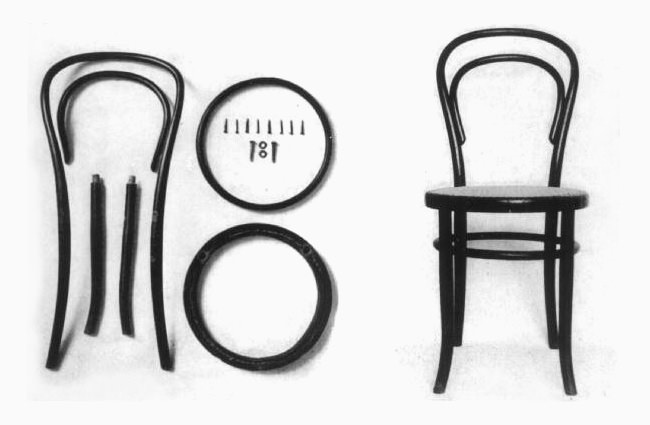
    Knock-down (KD) furniture has been around since the C19th as a means to ship products more efficiently. In 1859 Michael Thonet designed the Chair no. 14 as a coffee shop chair, which is still in production today. Constructed using an innovative bending technique, the chair was designed to be disassembled into a few components allowing for it to be shipped around the world in a small parcel. Genius!

    Jean Prouvé was a Modernist designer and architect working more recently. He enjoyed working with sheet metal because of it’s durability and ease of forming, and during the 1950s turned his hand to designing ‘flat pack’ houses. Any design, or any size that is shipped flat has to be easy to assemble and to achieve this, it requires lots of consideration and often results with a pure design language. Jean’s house, ‘Maison Tropicale’ was made from aluminum and folded steel, and the component pieces were light enough to be shipped around the world. The houses were designed to combat the shortage of housing in French colonies across Africa. Unfortunately their industrial asethetic did not appeal to the conservative bureaucrats and the design was never produced for selling. Jean Prouvé believed that everything from a house to a chair should be portable – this meant adopting a pure approach to his designs. His furniture is in production today by the brand Vitra and many of the pieces are considered ‘design classics’. Michael Thonet and Jean Prouvé are inspiring examples of design with intent; design that has a reason for being.

    Today the perception of KD furniture is a varied as many retailers have taken the concept to an extreme – with consumers being asked to assemble complex designs from kitchens to wardrobes. The instructions are poorly written and illustrated, the materials used are often particle or chipboard that don’t allow for any mistakes and the whole experience isn’t always enjoyable.

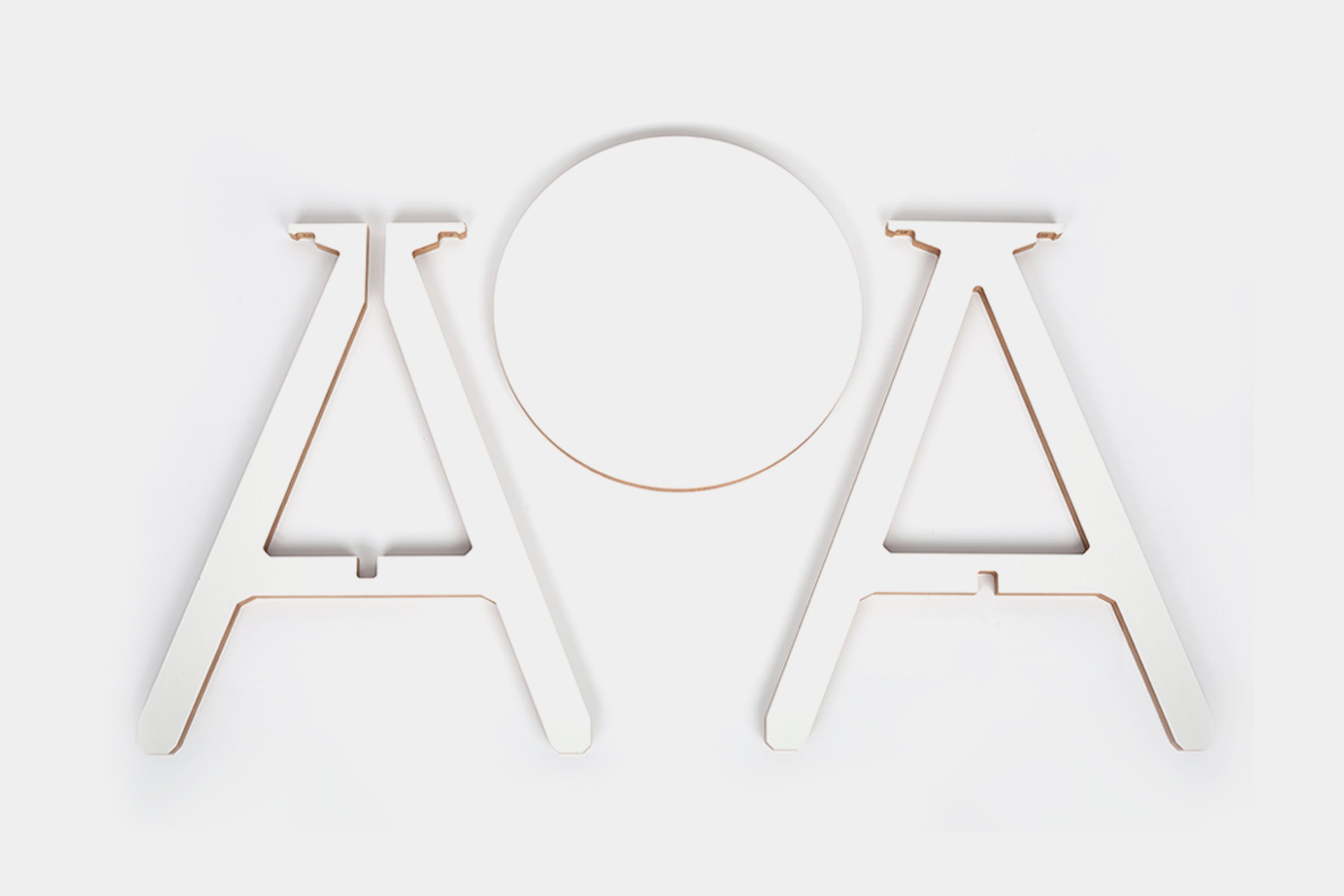
    Living in many small London flats during my 20s, I experienced assembling KD furniture every time I moved. My frustrations led me to design my own furniture that was easy to assemble, pure design that would last much longer than chipboard construction. The idea of an A Stool was born in 2010 but it took me a while to develop the product ready for manufacturing and shipping. I spent a long time working out how the stool could be made in three simple pieces and assembled with strong fixings. The birch plywood components had to then be packaged in a neat, compact box that could with stand the knocks by international freight forwarders.

    pure design Byalex

    Purity by Design means that everything about the product has been considered so that the customer can a) receive a design in perfect condition b) can assemble it easily with no frustration, ha! c) can enjoy the design for years to come – a pure approach that don’t date. By taking this approach to design one can make things that are aesthetically simple to look at; Purity by Design.

    Another way to look at purity is think ‘without contamination’. I love this idea, nothing exists in the product that doesn’t have a positive impact. Everything for a reason, everything in it’s right place . Modern wood furniture that is honest in construction and minimal to the eye. Purity is an attribute I believe leads to quality. And we should all expect higher qualities in everything we own.

    pure design byalex

  • How to Create a British Design Brand – Ideas and Experiences to Help

    How to Create a British Design Brand – Ideas and Experiences to Help

    It is always great to share life experiences with others and last month I was asked by Katie Treggiden to contribute to her ‘how-to’ feature over at ‘Confessions of a design geek‘. I launched my British design brand called ByALEX at the London Design Festival in 2011 to develop modern and affordable furniture. The event was great fun, with many friends supporting me and lots of press/bloggers. British design brands are stronger now than ever before, with London being an international hub for creativity but there aren’t many furniture/product brands in the UK that are British. And for me I felt there wasn’t a great selection of affordable tables or desk on the market, especially made from wood. Tubular metal frames and legs were common place for affordable tables, but I loved wooden furniture – it’s warmth and sustainability credentials were important to me.

    Back in 2011 I had no experience of product design, manufacturing, sourcing and working with a retailer, so the journey has been full of highs and lows. Keeping a business going for any period is tough work and I wish the design of a product was enough to sustain some growth in sales. The fact is, to build a successful British design brand you need a lot of help; financial, strategic, marketing + luck and good timing. I approached John Lewis with my first product design, the A Stool just as they had started to support young British designers. Their furniture collection had been transformed through design collaborations with established brands like Vitra and Kartell, or designers like Bethan Gray as well as young product designers who had been discovered at graduate trade shows. The buyer at the time liked my designs but timing was everything.

    Building a British design brand takes time and luckily this was appreciated by our first angel investor in 2013, when we secured £110k through the SEIS scheme. Finding the right investor who can support your journey and offer experienced commercial advise is important. So much has changed about ByALEX over the last five years – you write a business plan or set some goals (creative and commercial) but things often pan out very differently. This coming week I have been invited to talk to students at London College of Communication about:

    • How to run a successful British design brand (the relationship between design, communication, business and brand management, research and marketing)

    This opportunity has made me look back at what we’ve achieved and question what could be done differently. So I’ve created a list of ideas, thoughts about starting a British design brand in the UK. Modern furniture is my passion – often with a very graphic twist as I came from a Graphic Design background, but the ideas below are equally relevant to another product category.

    building design brand ByALEX

    How to create a British design brand – ideas and experiences to help

    1. Be focused and committed 
      Once you have an idea for a British design brand – be it a product or service, ensure you have the commitment to see the project through, for as long as possible – it could take 5-10 years to really take off. Leaving a secure full time job and dedicating all your efforts into the business will take endurance, bags of optimism and the ability to try lots and lots of things until one idea works. I remember watching Paul Smith talking about how he set his brand up – he had a young family to support but was passionate about developing his own fashion ranges. So he took a part time sales job that meant his income was guaranteed at the end of the month. This took away any financial pressures and allowed him to be as creative and free as possible. Amazing advice if you ask me. Good design often comes when you are either thinking of an idea for yourself – far from commercial pressures – or when you have a serendipitous moment. But take note: any good idea will take an inordinate amount of commitment and perseverance. When I started I was very naive and this helped as I didn’t see the many barriers ahead – so many more ahead of me, ha!  I have a strong believe that furniture can be designed and made better, with simpler ingredients and sold at affordable prices. Furniture has to move with the times – I love mixing Victorian or Art Decor pieces with modern furniture. As mentioned above, wood is still my material of choice for furniture as it has a timeless quality – I’m currently working on a design that uses a wooden frame but with a contemporary product to make the seating…. anyway, fresher, contemporary designs are needed to make all our homes more interesting places to live in – the bolder the better. If you have strong beliefs, then let these ideas drive your business as staying committed to values will help when you’re going through times. Above all, don’t give up too soon.
    2. Build a team around you with people you trust and admire
      The team you build around you has relevant experience to the industry you are setting up within. Even with experience, be careful not to apply ‘big’ ideas or strategies that aren’t practical to your size of business (cash dependent and/or your resources). I’ve reached out to many professionals asking for help in all sorts of ways from developing furniture ranges, selling online or managing a cash flow forecast. Most have responded in some kind of way, even the really busy ones…  Tom Dixon simply said to me ‘use the internet and watch your margins’. If only I had followed his advice sooner! As a company, we didn’t engage with an e-commerce consultant until earlier this year when we started working with October Communications in London. They have lots of experience working as a press and marketing agency solely within the design industry – design, product, architectural, interiors and art galleries. Their input and expertise in leveraging the web through e-commerce, SEO and press channels, has been invaluable to building a British design brand. Designing and building a beautiful website isn’t enough – you need experts who can understand the current problem and implement a strategy to reach your goals. Watching your margins is important but sometimes things will change within your supply chain that lead to your margins being squeezed. All I can say is aim for as high a margin as possible and this isn’t about giving the ‘middle man a healthy cut’. The UK offers consumers high standards for design across all product categories, with many British design brands now operating in unusual spaces: like French Connection making sofa’s for DFS. You need as much margin as you can get (be careful though: the higher the retail price the less you may sell) and you often need to find the right balance between a retail price and your margin expectation, to reach the ‘sweet’ spot. I’ve learnt a lot from experienced individuals, of which I’ve asked for more marketing advice than any other subject. It’s hard to measure some forms of marketing however a successful retailer owner once said to me ‘you wouldn’t close your shop for the day so why would you stop your marketing?’. Seeing a return on your marketing investment isn’t always clear but it is important to trust the advice, think long term and make sure everyone in your team understands why you are doing something. 
    3. Believe in creating something unique
      I’ve read lots of branding books, most talk up the concept by making it overly complicated. The most important factor in my experience is to have a strong believe, stick to it (it’s easy to get distracted) and make sure you keep communicating it – another reason why you need excellent marketing people to help you.We’ve all heard ‘a brand is not a logo’ before, but it’s not until you sit down and start a company that you realise how hard it is to create a unique company. A logo is the visual mark for your brand – being the type geek that I am, a logotype is a typographic version and a logomark is a symbol, sorry. ByALEX is the name but the brand is a lot more. I had a genuine dislike and frustration of the large furniture brands in the UK who made cheap designs that wouldn’t last longer than one house move e.g the joints being so weak and the materials so low quality, that the furniture would fall apart. I also saw plywood being used within classic designs from the 1950s and 1960s (which were very expensive to buy) but not in any modern furniture. Why not? Plywood is very strong, sustainable and easy to manufacture with. It is made from peeling a tree trunk – just like an apple – and bonding a few layers at alternative directions  to form the strength. Plywood is made from birch and comes in large sheets allowing you to make really interesting shapes – modern furniture that is sustainable and affordable, yes please! Moreover, I believe you can create simple designs using in-expensive quality ingredients, that are good looking and that stand the test of time. My next furniture design project uses other in-expensive materials… more details coming soon. ByALEX exists to develop modern furniture using quality materials in unusual ways. It takes time to get your message out there but don’t give up, there are people in the world that will find you eventually because they have similar believes.
    4. Make friends with investors 
      This last point is one of the hardest but probably the most important. Whatever you design or dream up, the ideas will need money. This doesn’t have to be a large sum, it can be smaller bits over the years – someone from a lighting brand said to me recently ‘if they’d ploughed all the investment they’d had, all at once, they wouldn’t still be in business today’. Not having enough money makes you sharper and more hungry. And if you follow Paul Smith’s path, you don’t need money to pay your rent, you need investment to understand what strategies will work for you. By strategy I mean everything from designing a new product range, testing a sales channel or launching into a new market. You have to try many things before you know what is going to work – what is going to lead to more sales? It’s much harder to build a design brand these days as the larger companies have diversified into so many product categories – French Connection make sofas. The reality is that most successful brands have had money injected at various stages. Some luck along the way will help of course, but you’ve only got one life so what’s stopping you to ask for help, find investment and build your own unique British design brand.

    I hope you find this useful – please leave a comment or get in touch if you strongly disagree or agree and want to share ideas. I have made some progress but it will take another five years or more, before I can say we have built a British design brand.

    Alex

    building design brand ByALEX

  • Verena Hennig x ByALEX and Design Junction 2016

    Verena Hennig x ByALEX and Design Junction 2016

    verena-hennig-vip-designjunction-byalex-000

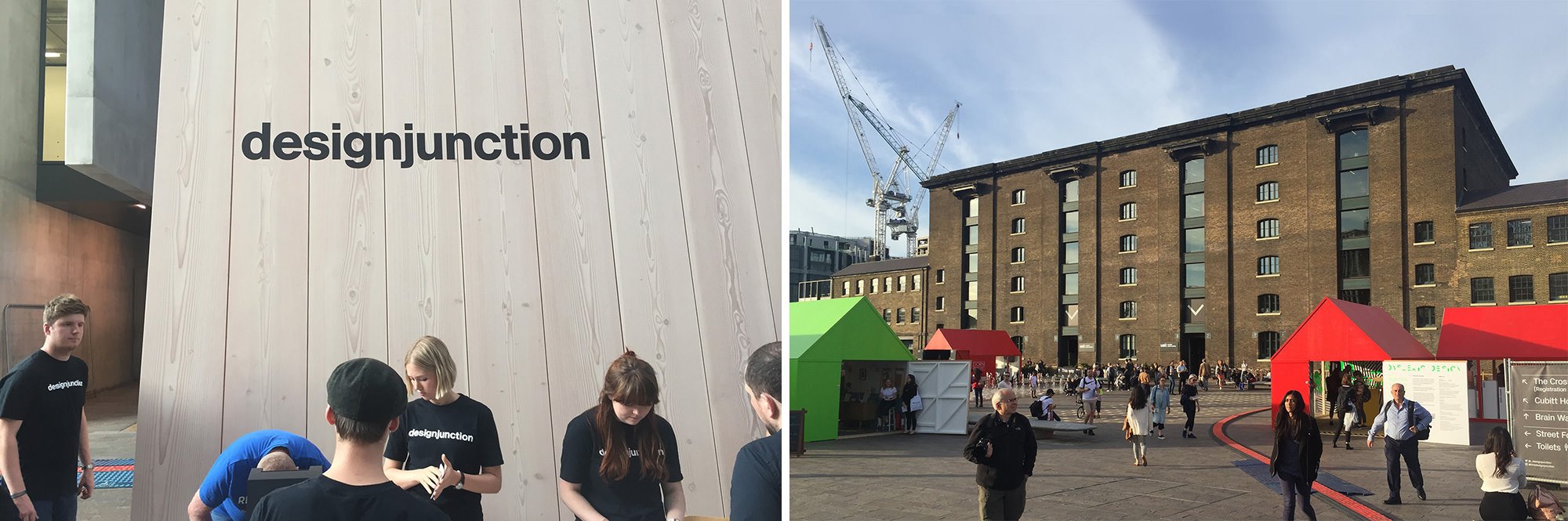
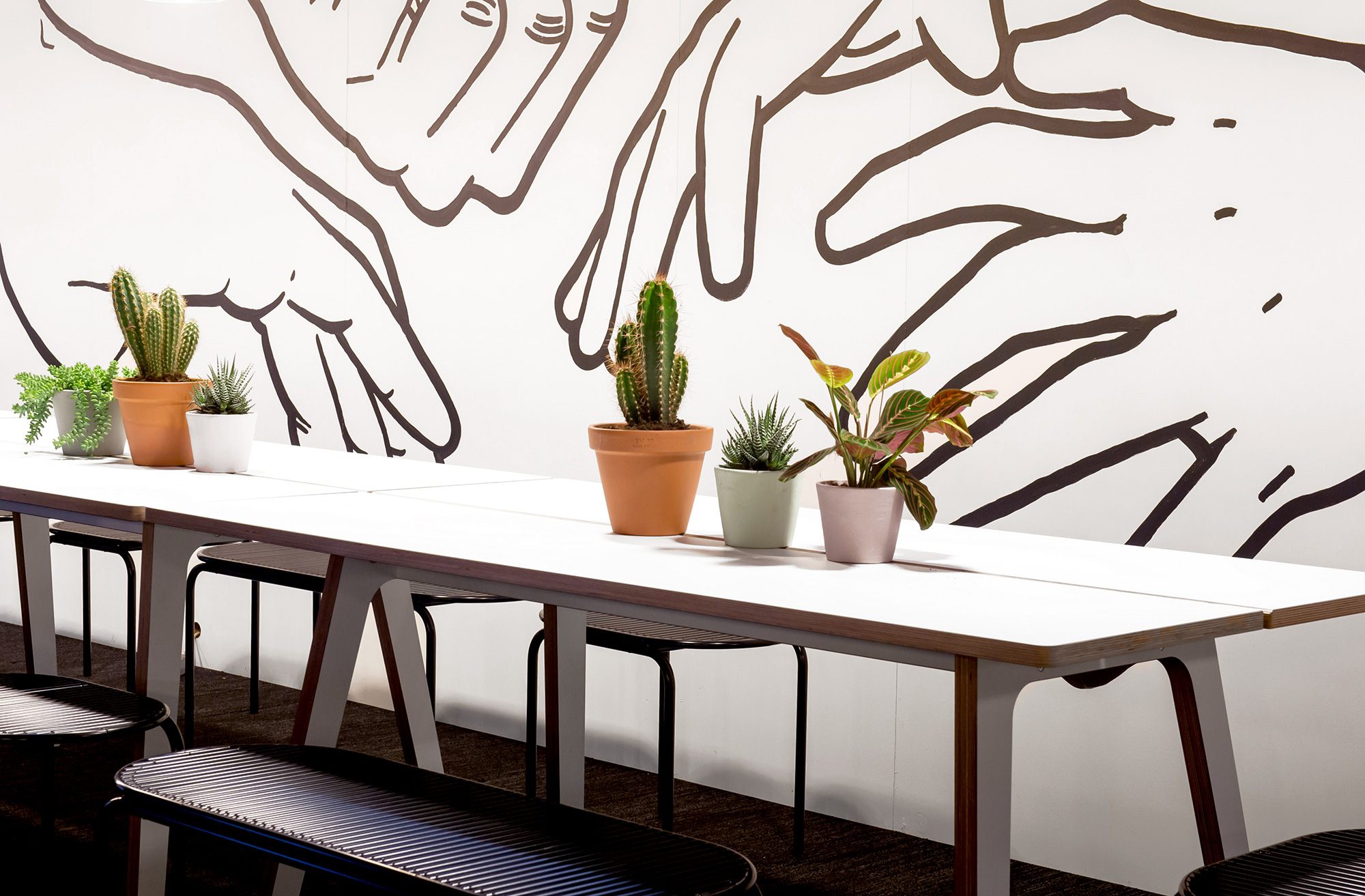
    The London Design Festival is often the most exciting time of the year for us. The city is transformed into an explosion of events and shows dedicated to the arts. This year we collaborated with the German product and graphic designer Verena Hennig on the VIP and Press room at Design Junction. Verena designed the space, which featured her ‘Roll’ collection – a playful, innovative design consisting of rotatable poles that allow you to literally roll from left to right. The experience is unexpected and totally addictive, whilst gently massaging your bottom and lower back. The walls were illustrated by German artist Michael Vestner, who created oversized drawings of hands titled ‘The Process’. Verena’s futuristic chairs, stools and benches were accompanied by A Stools and a long bank of Kingshaw Tables.

    verena-hennig-vip-designjunction-byalex-002

    Architects, interior designers and the press were invited for special talks and presentations throughout the four day show. It was great to see four Kingshaw Tables working hard and the white surfaces cleaned up nicely at the end of each day, after coffee cup rings from numerous guests. 

    The graphic and bold furniture from Verena and myself led to a perfect collaboration – special thanks to October Communications for making the introduction! We had lots of fun ‘rolling’ around the VIP room and it was great to be part of Design Junction again – the new venue was fantastic as it encouraged visitors to spend time around the beautiful Central St Martin’s campus at King’s Cross. This year Design Junction became a festival of it’s own, rather than the trade show it had been known as. We made some great new friends including Assembly Room and Decode, who helped out at the last moment in providing lights for the VIP room. The star of the show has to be Bethan Gray and her new collection using luxury materials including Mother of Pearl – yes you better believe it – and the incredible technique of inlaying / overlaying solid brass into table tops and a credenza.   

    verena-hennig-vip-designjunction-byalex-001

    verena-hennig-vip-designjunction-byalex-005


  • TopShop / TopMan

    TopShop / TopMan

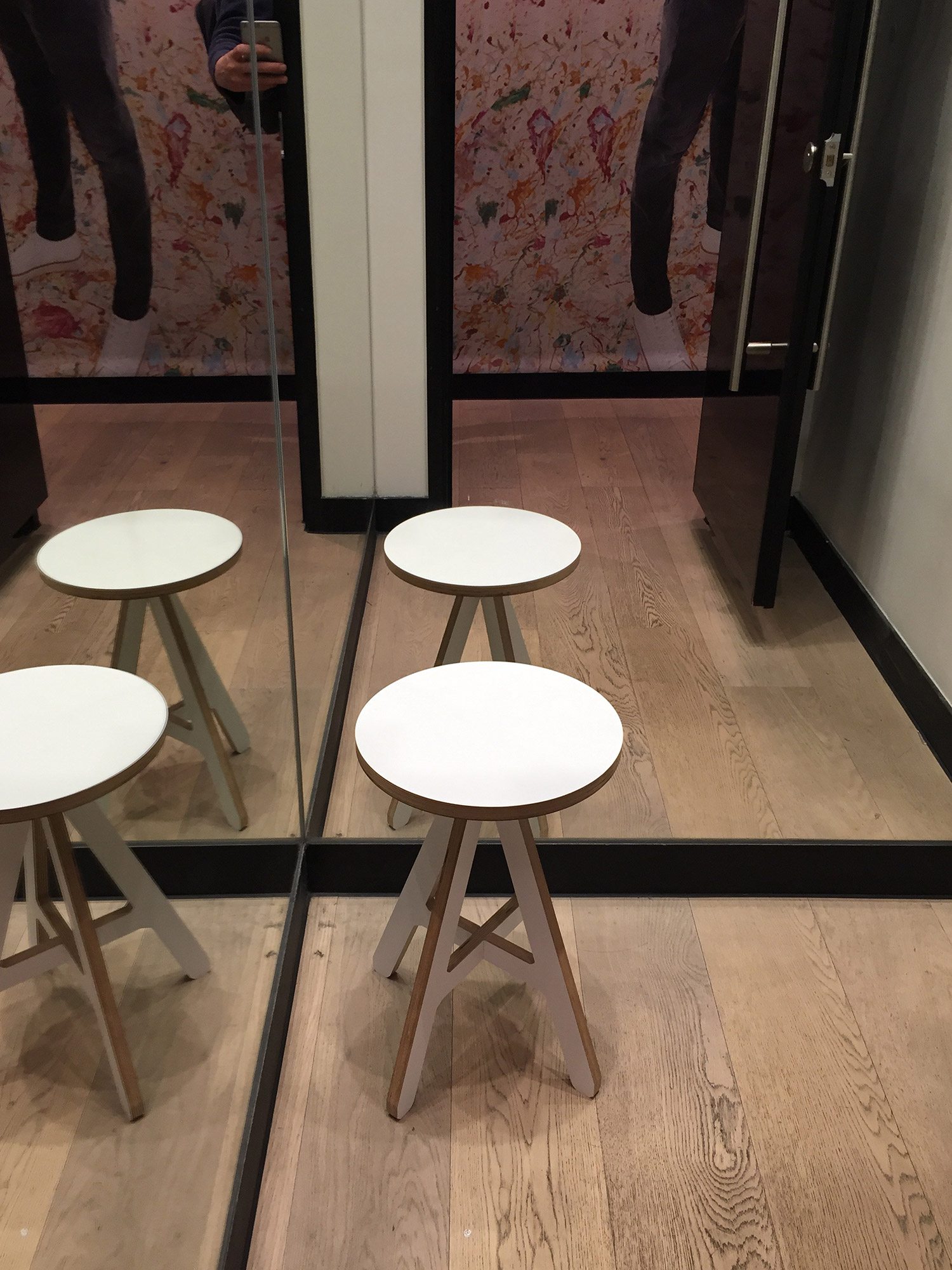
    Retail giant Top Shop / Top Man approached us to during a national store interior design review. As part of their new exciting store design development, they ordered white and black A Stools for use in their changing rooms. The A Stools work as a side table and seat for customers. The modern furniture, bold graphics and lighting designs that look as if they’ve been borrowed from the local night club, dominate the store interiors.

  • Nigella Lawson at home with her black A Stool

    Nigella Lawson at home with her black A Stool


    https://vimeo.com/163665198

    This episode of Nigella Lawson’s new cooking show was aired recently and it was lovely to see a black A Stool next to a rugged old leather sofa in her London home.

    SHOP Black A Stool

  • Design Your Workspace to Suit You

    Design Your Workspace to Suit You

    contemporary-table-stool-byalex

    a-desk-w-lifestyle-byalex_334_940xauto

    More and more people work from home these days and want to create a comfortable and designed workspace. The A Desk was especially developed for creatives and professionals who work from home. The tilting desktop pushes your shoulders backwards, saving your back from arching over – it works, try it!

    The A Stool doubles up as a side table for your books or as a laptop stand. Choose from a range of four A Stool colours to suit your home studio/office.

  • Alex’s First Design for Children

    Alex’s First Design for Children

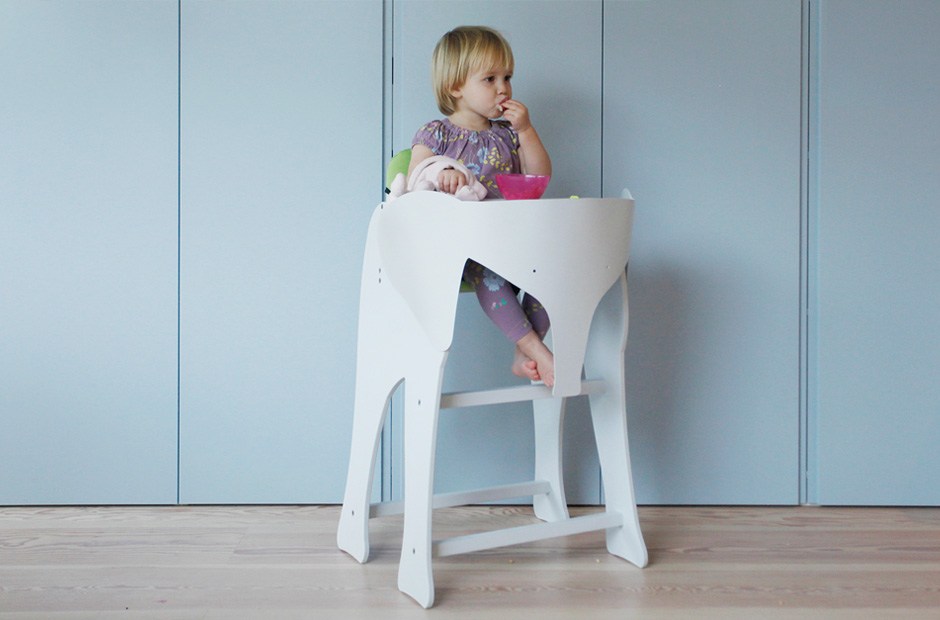
    byalex_blog-animal-high-chair

    byalex_blog-elephant-animal-high-chair

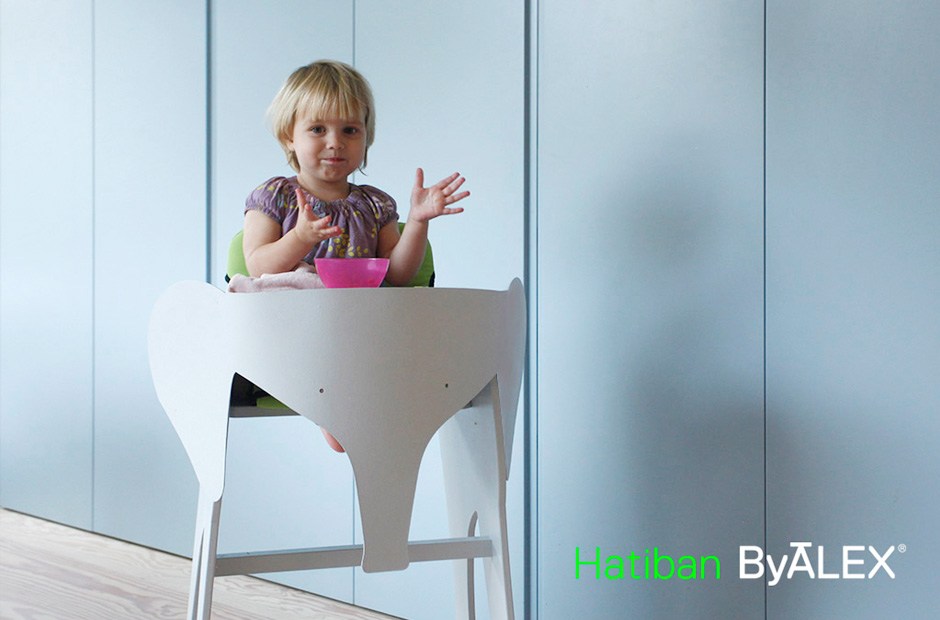
    In August 2015 Alex became a dad for the first time, so the last 6 months have been hectic yet exciting. During his wife’s pregnancy, Alex started looking at the children’s furniture designs and discovered there was an opportunity within the high chair market. Alex found that high chair designs were very traditional and were driven by functionality. He decided there was room for a design aimed at children – something fun and engaging, as well as a piece of furniture with a stronger sense of style.

    Alex’s younger brother Tom grew up in Kathmandu, Nepal and loved riding Elephants in the jungles. Elephants are very intelligent mammals and have a strong social / family bond, making them the perfect icon for young children. This concept inspired Alex to develop a high chair design based on the Elephant shape. This would turn meal times into an adventure, stimulating a child’s senses and making them interested in eating. In Nepali, ‘Hati’ means elephant and ‘ban’ means forest, so Alex named the high chair design HATIBAN.

    The Elephant face required a complicated production process that led Alex to use a crowd sourcing platform. This would raise the funds needed to make the first order of high chairs. Alex met with the founder of BORN.com, Pierre Sapin in October and promptly launched a campaign on his platform. A collection of rewards were created, all focusing on the Elephant theme.

    https://www.born.com/view/822/hatiban-elephant-high-chair-designed-to-inspire-children

    The campaign ended recently after succesfully reaching it’s target of €3,500. Whoop! Whoop! HATIBAN will go into production soon. Thanks to everyone who supported the campaign by donnating, and a special thanks to Anastasia at BORN.com who made the project a success. If anyone else is interested in the high chair design or any of the rewards, please contact the studio below.

  • New Factory Visit

    New Factory Visit

    This week we’ve been on a production trip in Latvia, visiting new factories to work with. With new designs in the pipeline for the launch of Maison Objet in January.

    So what makes a good factory?

    We are looking for an efficient production process, which you can see and judge when picking up component pieces coming off the production line – even if they are coated in sawdust!

    It’s exciting to see the different stages a product goes through, and it’s very important each process follows a system. How big is the team and do they look happy! All things to think about.

    Good communication from the factory sales director gives you instant confidence they are organised and keen to work with you.

    It’s been a successful trip, and we’re looking forward to the production of new products very soon.

  • Sky Garden, London

    Sky Garden, London

    byalex_london_sky_garden_alex_swain

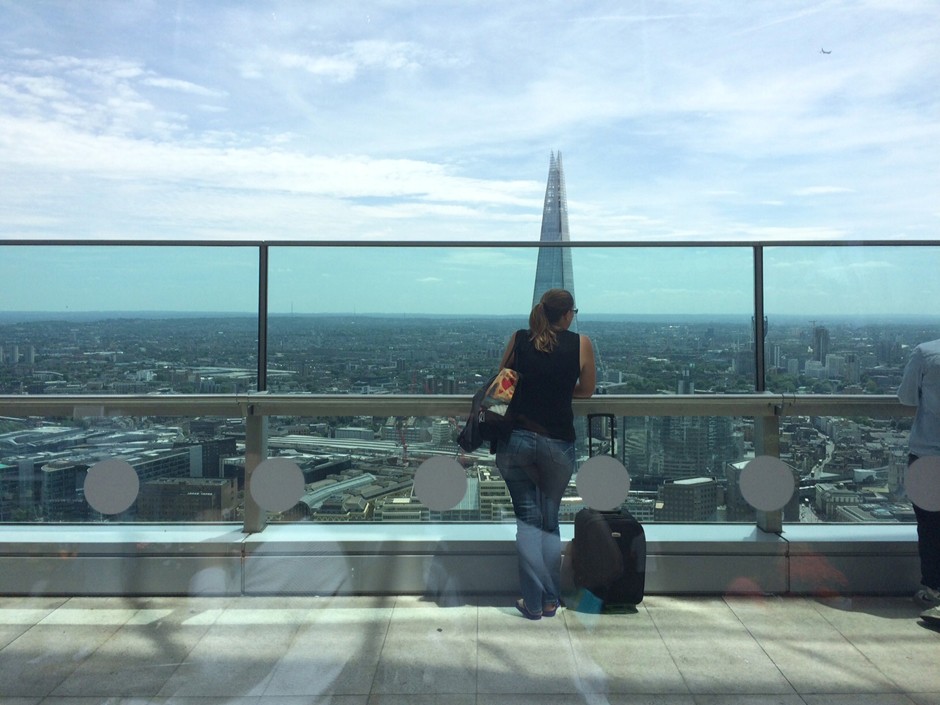
    I took a long lunch on Monday to visit the new Sky Garden; London’s highest public garden on Fenchurch Street. The lift to the 35 floor of the building designed by Rafael Viñoly, took just 35 seconds. The doors open to a large open plan space looking South to Crystal Palace and the North Downs in the far distance.

    The Sky Garden is split on two levels, with freshly planted species cushioning the stairway to the upper floor. Jungle leaves are kept energised by an inhouse water sprinkler, emitting a cool mist every few minutes. Try sitting on the tiered levels, beneath the mist as it projects you miles away from the city bustle below.

    The visit was very inspiring and made me feel like I’d stepped into a vision of the future by the conceptual architectural group Archigram. A must see this summer.

  • Meet the Designer: Paul McNeil

    Meet the Designer: Paul McNeil

    For our next ‘Meet the creative’, we speak to typographic designer, Paul McNeil. Paul runs the design practice MuirMcNeil with Hamish Muir. Founded in 2010, MuirMcNeil’s activities are focussed on exploring parametric design systems to generate appropriate solutions to visual communication problems. We talk to Paul about his A Stool and A Table.

    What is your profession?
    I’m a graphic designer and lecturer in typography. I’m currently course leader of the MA Contemporary Typographic Media at the London College of Communication and I also run my own collaborative design practice, MuirMcNeil.

    Why did you buy the A Stool and A Table?
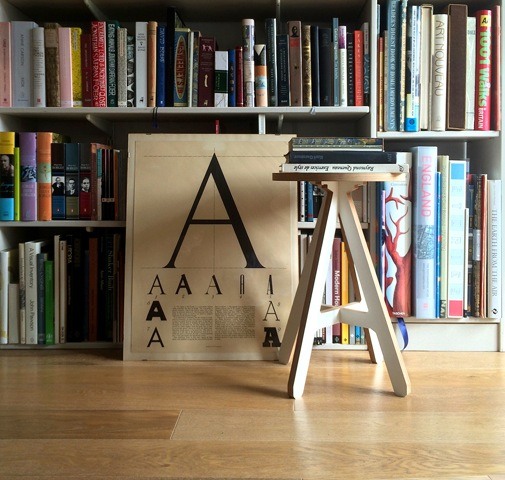
    I bought both the A stool and the A table for specific purposes in different rooms — the table is in my wife’s consultation room (she’s a counsellor) discreetly offering tissues and water, and the stool sits prettily in the living room with all the books. In truth, I bought them just because I love the design so much and because (I’m told), I’m a completist with an obsession about things in sets. I really like the way the A stool and table look together. If ByALEX made a bigger one, I’d have to have it too.

    What is your favourite design feature of the Stool?
    Immediately, that it’s based on the A from Norm’s Replica typeface. But I also like its functionality. It’s very stable and elegant and its materials are beautiful without being extravagant. Also, it’s surviving the knocks of family life very well as the emergency stool at Christmas and similar gatherings.

    Other thoughts
    I’m really into good everyday design which isn’t ridiculously expensive (since cost in itself is a design feature). The A Range fits that bill perfectly.

  • #FUTUREMAKING Debate at Clerkenwell Design Week 2015

    #FUTUREMAKING Debate at Clerkenwell Design Week 2015

    byalex_cdw2015_forbo_futuremaking

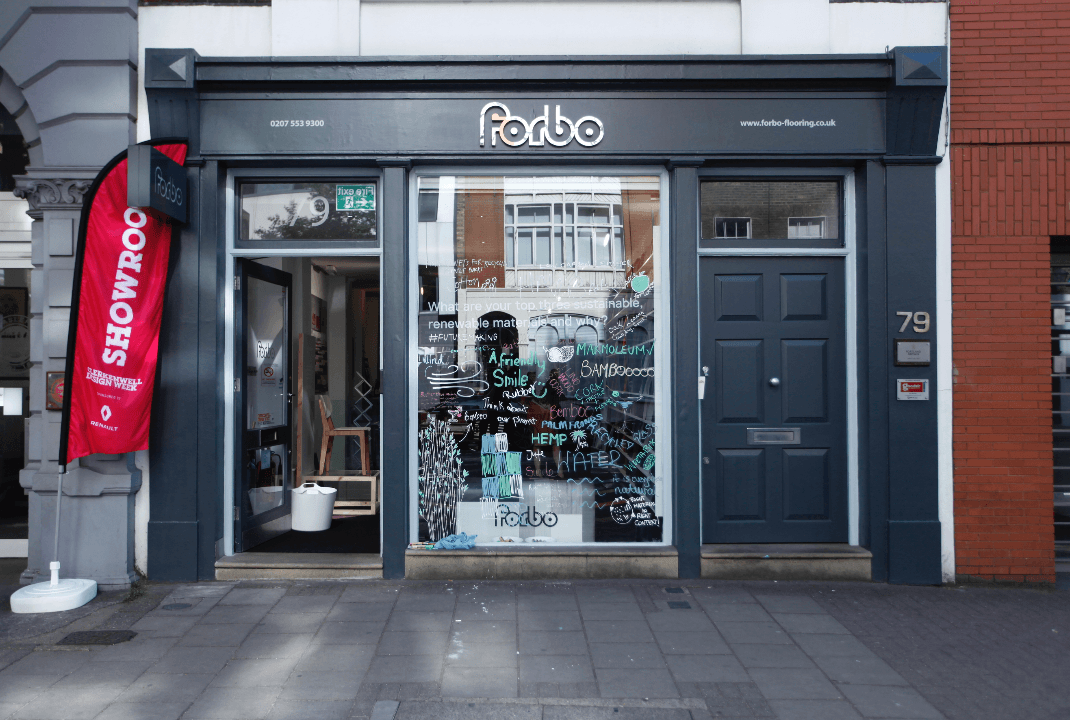
    Thank you for joining our sustainability debate at Clerkwenwell Design Week. We posed three different questions based on sustainable, renewable materials on the Forbo showroom window, and had some great answers from you. We have selected some favourite images from the week.

    With your response, and additional research we can now create our Sustainable Materials report – in hope to guide future decision-making by designers and makers, and to encourage companies to opt for sustainable and renewable materials. If you would like more information, or would like to be sent a copy of the report, please email studio@byalex.co.uk. Follow us on Instagram or Twitter to keep up to date with the progress of the report and additional images from our week @byalexdesign

  • Join The Sustainability Debate | 19-21 May 2015

    Join The Sustainability Debate | 19-21 May 2015

    We are excited to announce our collaboration with Forbo Flooring and invite you to join our sustainability debate during Clerkenwell Design Week.

    We have teamed up with Forbo to demonstrate how sustainable materials can be used to create beautiful, functional and exceptional furniture and flooring.

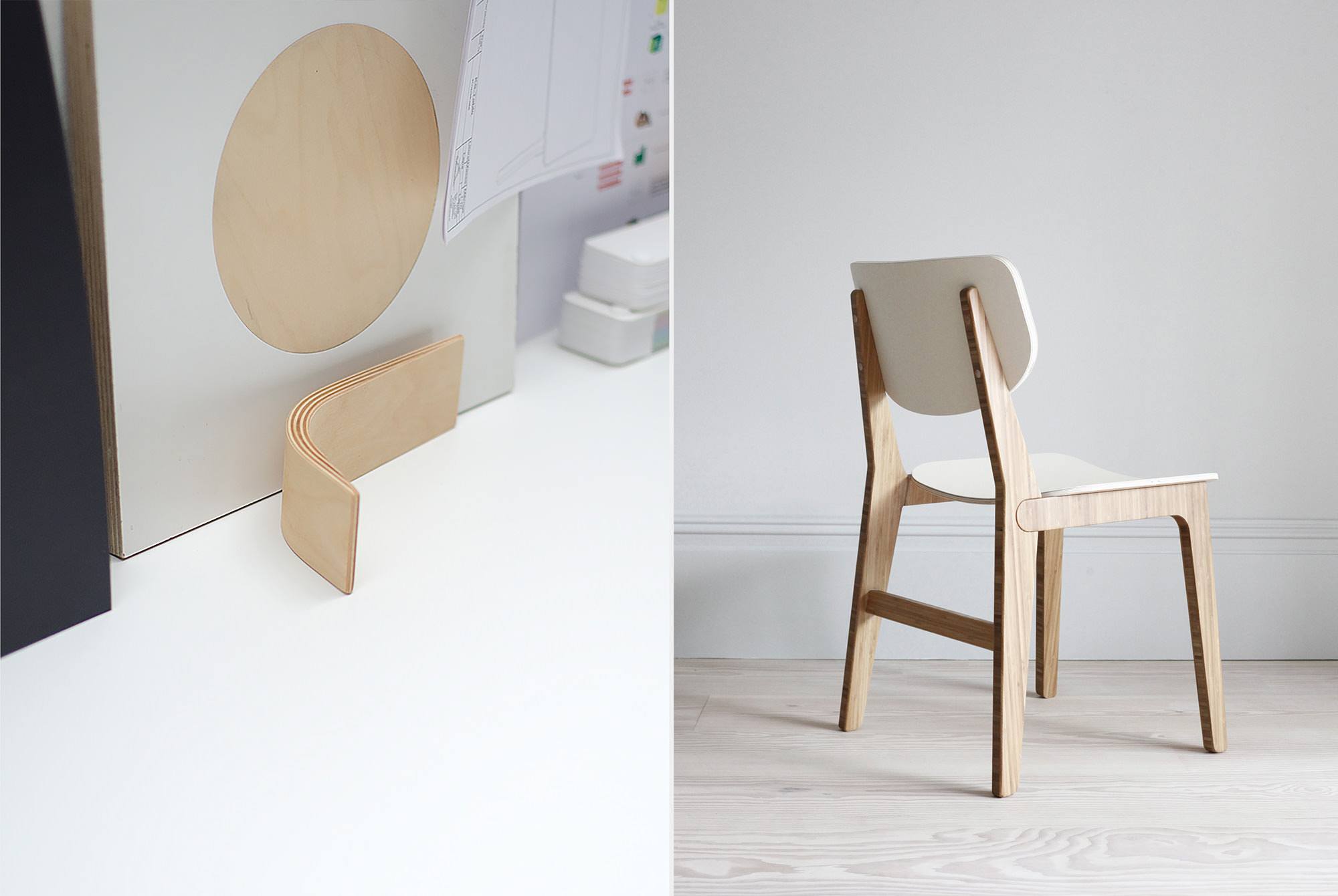
    View Nuway Bamboo entrance systems, Modular Marmoleum produced using 97% natural raw materials and the ‘Neighbourhood Chair’ that combines both of these elements and was designed for John Lewis’s 150th Anniversary. Visit and share your thoughts on other sustainable components. Join the debate through social media using #FUTUREMAKING

    Follow @byalexdesign, @forboflooring and @CDWfestival for updates

    Visit the Forbo showroom to take part and enter our prize draw to WIN a ByALEX Neighbourhood Chair.

    Forbo
    79 St John Street
    Clerkenwell
    London EC1M 4NR

  • Billiards Studio

    https://vimeo.com/121877133

    We had a great photo shoot in the studio recently… thanks again to Anna!
    Alex